
8 Common Car Repairs and How To Avoid Them
Keeping a vehicle in top condition requires a proactive approach to maintenance and a keen eye for early warning signs. Many drivers find themselves facing unexpected car repairs simply because they overlooked small issues that eventually escalated into major mechanical failures. Understanding the most frequent problems that plague modern vehicles is the first step toward long-term reliability. By focusing on prevention rather than reaction, you can save significant amounts of money and ensure your safety on the road. This guide explores the most frequent issues drivers face and provides actionable advice on how to keep your vehicle running smoothly for years to come.
1. Identifying and Preventing Brake System Wear
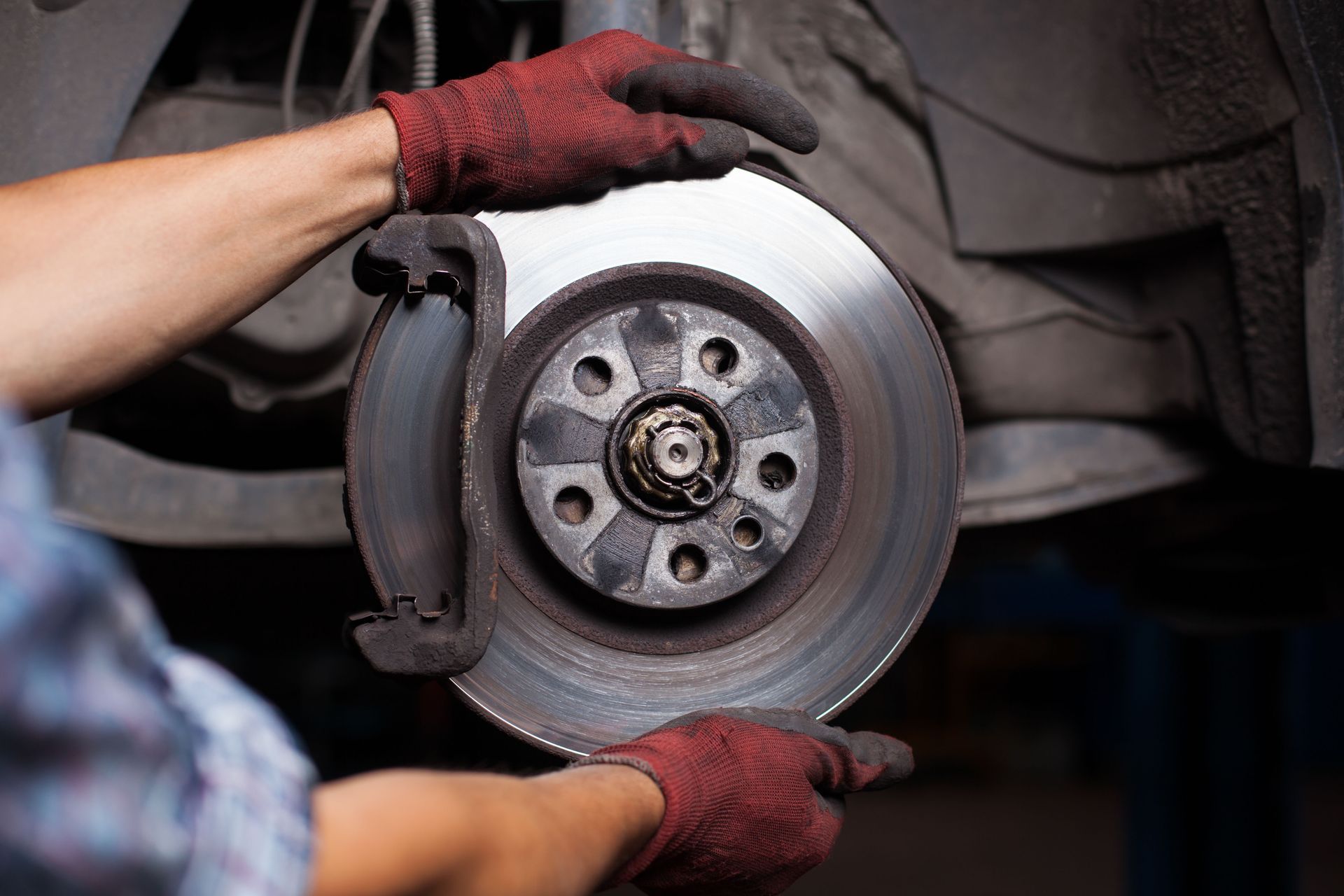
One of the most essential safety components of any vehicle is the braking system. Over time, brake pads naturally wear down due to friction, and if they are not replaced, they can damage the rotors, leading to much more expensive car repairs. You should listen for high-pitched squealing or grinding noises when slowing down, as these are primary indicators that your pads are thin. To avoid these issues, have your braking system inspected at every oil change. Avoiding aggressive driving and heavy braking also helps extend the life of your pads and rotors significantly. Making it a priority to understand the specific sounds and sensations of your braking system will allow you to address minor wear before it transforms into a dangerous situation that compromises your ability to stop safely in emergency traffic conditions.
2. Managing Engine Cooling and Radiator Health
Overheating is a leading cause of engine failure, often stemming from leaks in the radiator or a malfunctioning thermostat. When the cooling system fails, the resulting car repairs can involve complete engine rebuilds or replacements. To prevent this, regularly check your coolant levels and look for bright green, orange, or pink fluid under your parked car. Flushing the radiator according to your manufacturer’s schedule ensures that debris does not clog the narrow passages of the cooling system. Keeping an eye on the temperature gauge can save you from a roadside breakdown. Consistently monitoring the integrity of your hoses and the functionality of your cooling fan ensures that the intense heat generated by internal combustion is effectively managed throughout the entire duration of your longest summer road trips.
3. Maintaining Battery Life and Electrical Connections
Electrical issues often manifest at the most inconvenient times, leaving drivers stranded with a car that refuses to start. According to AAA, 74% of the emergency roadside service calls they received in 2024 involved either towing (13 million) or battery issues (7 million). Many battery-related car repairs can be avoided by cleaning the terminals to prevent corrosion and ensuring the battery is securely mounted. Most batteries have a lifespan of three to five years, so testing your battery annually after the third year is a smart way to stay ahead of a failure. Taking the extra time to inspect the alternator belt and ensuring that all interior lights are fully extinguished when the vehicle is parked will significantly reduce the parasitic drain that often leads to a dead battery on cold winter mornings.
4. Monitoring Tire Pressure and Tread Depth
Tires are the only part of your vehicle that makes contact with the road, making their condition vital for handling and fuel efficiency. Uneven wear or low pressure can lead to blowouts or poor traction in wet conditions. Regularly rotating your tires every five thousand miles helps ensure even wear across all four wheels. Additionally, maintaining the correct air pressure as listed in your owner’s manual prevents premature degradation. Staying on top of tire health reduces the frequency of car repairs associated with the suspension and alignment systems. By investing in a high-quality pressure gauge and performing monthly checks, you ensure that your tires provide the necessary grip and stability required to navigate unpredictable road surfaces and maintain optimal control during sudden steering maneuvers.
5. Replacing Worn Spark Plugs for Fuel Efficiency
The spark plugs are responsible for igniting the air-fuel mixture in your engine cylinders. When they become fouled or worn, your engine may misfire, leading to a noticeable drop in power and fuel economy. Ignoring these small components can lead to more intensive car repairs involving the catalytic converter or ignition coils. Replacing spark plugs at the intervals recommended by the manufacturer is a cost-effective way to maintain peak engine performance. It is a simple task that prevents a host of complex combustion issues down the road. Furthermore, ensuring that the ignition wires and coil packs are in good working order will complement the new spark plugs, creating a robust electrical path that guarantees your engine starts reliably and operates with maximum thermal efficiency every single day.
6. Addressing Oxygen Sensor and Emissions Failures
A common reason for a glowing check engine light is a faulty oxygen sensor. This sensor monitors the amount of unburned oxygen in the exhaust to help the vehicle's computer adjust the fuel mixture. While it might seem like a minor issue, a failed sensor can decrease your fuel mileage by as much as forty percent. Proactive car repairs in this area involve ensuring your engine is tuned and that you are using the correct grade of fuel. Addressing an oxygen sensor issue immediately prevents damage to the expensive emissions system. Maintaining a clean air filter and ensuring that your fuel injectors are free of deposits will help the oxygen sensor provide accurate data to the engine control module, thereby optimizing the air-to-fuel ratio for better environmental performance.
7. Caring for the Transmission and Gearbox
Transmission problems are among the most feared by drivers because of their complexity and cost. Common signs of trouble include hesitation when shifting, slipping gears, or unusual humming noises. To avoid these heavy car repairs, it is vital to check the transmission fluid regularly. The fluid should be a translucent red color; if it looks dark or smells burnt, it needs to be changed immediately. Following the service schedule for fluid changes is the most effective way to protect the intricate gears and valves inside your transmission. Developing a habit of coming to a complete stop before shifting between drive and reverse will minimize the physical stress placed on the internal components.
8. Updating Old Timing Belts and Water Pumps
The timing belt synchronizes the rotation of the crankshaft and the camshaft so that the engine's valves open and close at the proper times. If this belt snaps while the engine is running, it can cause catastrophic internal damage. Often, the water pump is replaced at the same time because it is located in the same area. Scheduling these
car repairs as part of your high-mileage maintenance plan is essential. Consult your manual to find the exact mileage interval for this service, as waiting too long can result in a total engine loss.
Taking care of your vehicle is a continuous process that pays off in the form of reliability and a higher resale value. While some mechanical issues are inevitable due to age, the vast majority of problems can be caught early through routine inspections and mindful driving habits. By staying informed about the common failure points of your specific model, you empower yourself to make smart decisions about maintenance. We want to help you stay on the road without the stress of unexpected breakdowns. Contact Diego’s Mechanics today to schedule an inspection, and we can work together to ensure your vehicle stays in peak condition for every journey ahead.
Share On: