
6 Reasons to Never Delay Auto Repairs
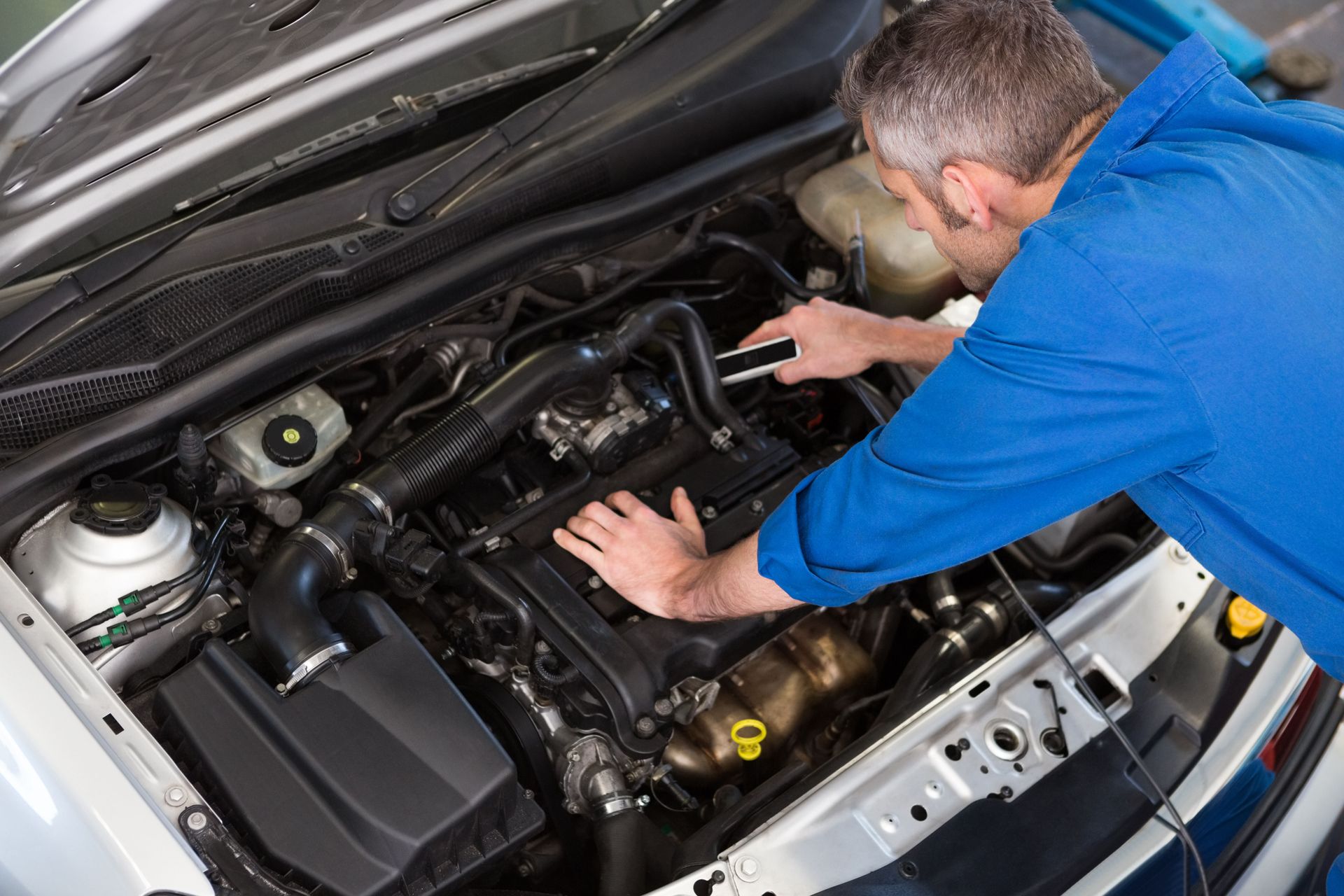
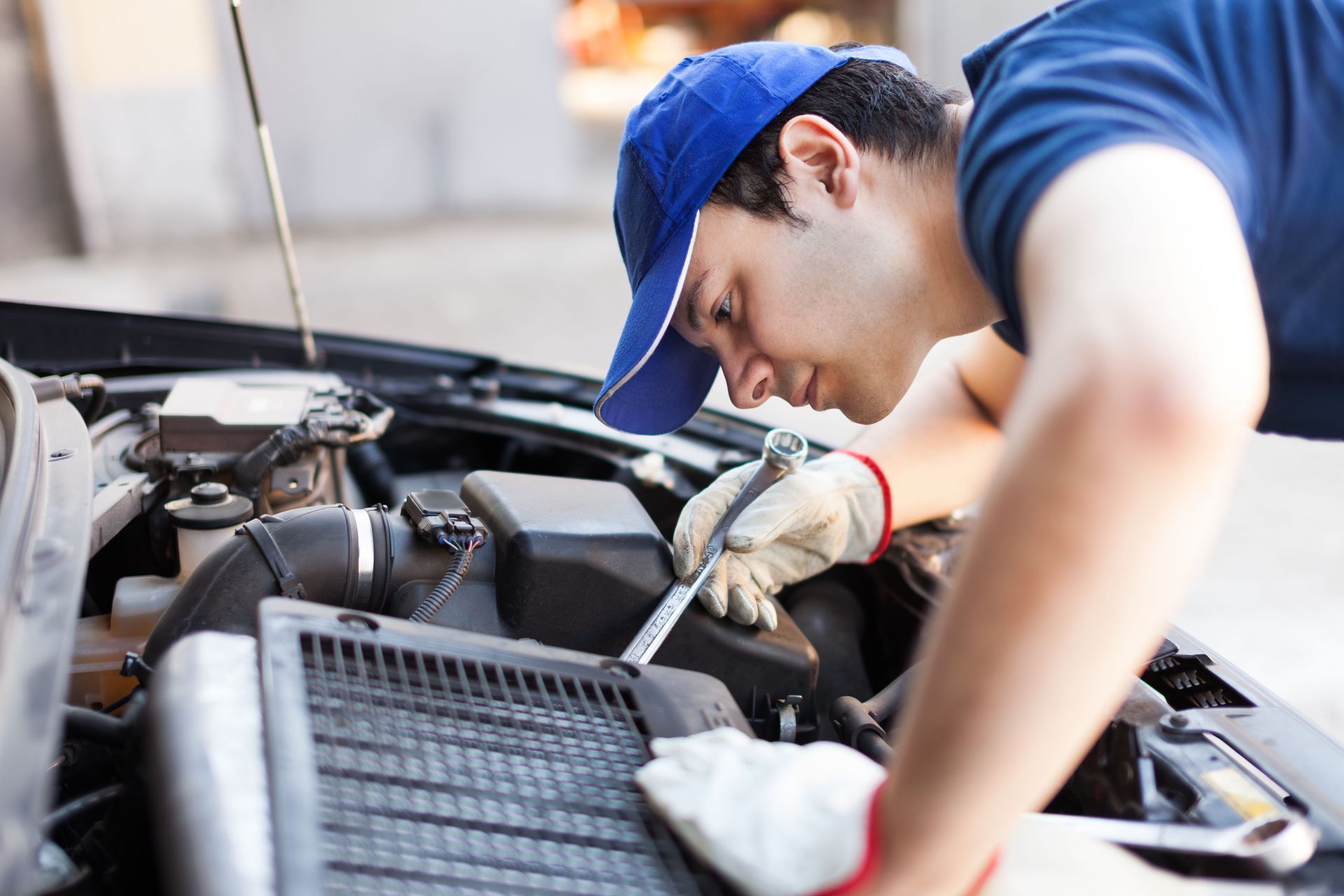
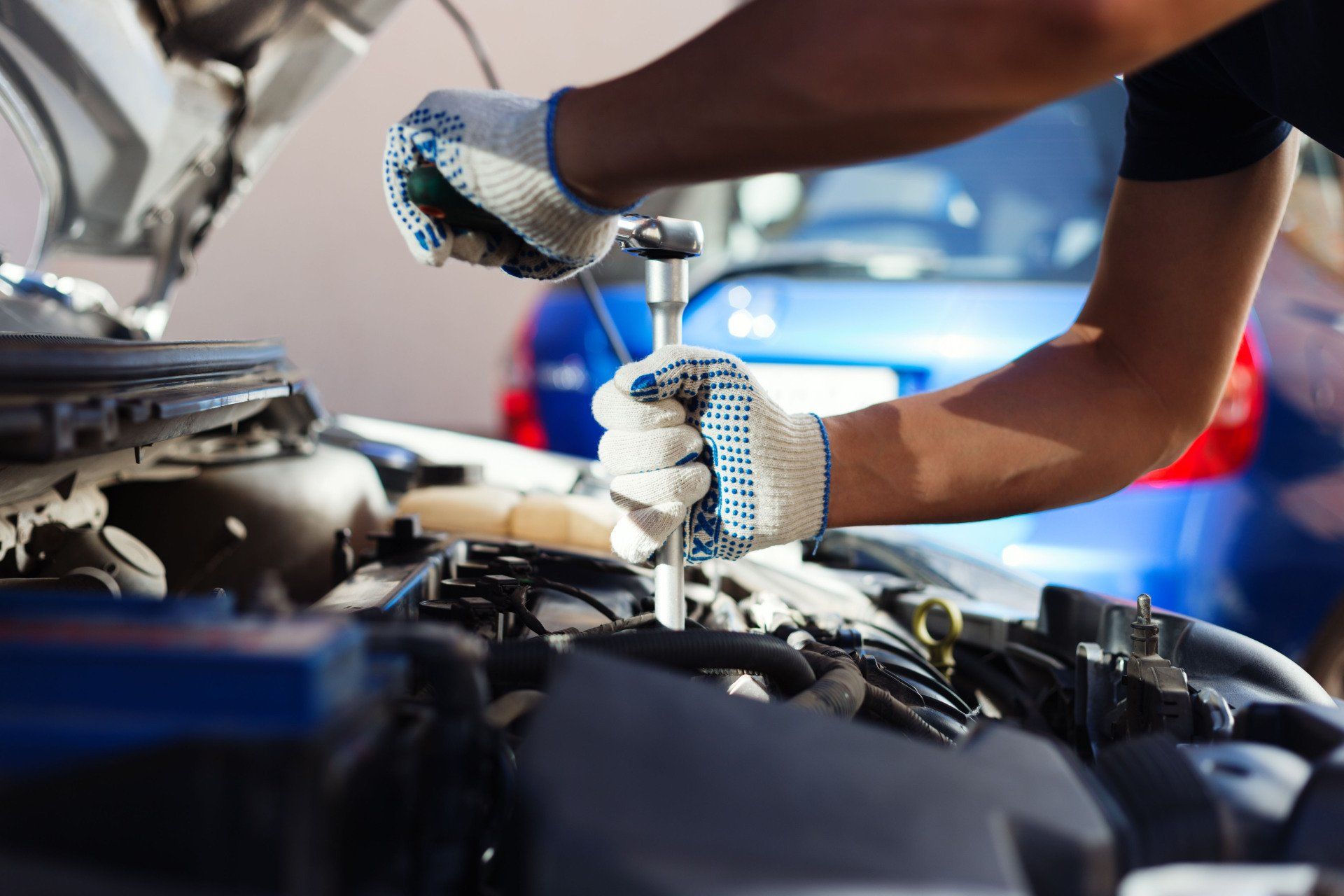
Timely auto repairs not only preserve the lifespan and performance of your vehicle but also ensure the safety of its passengers and others on the road. Neglecting needed auto repairs can lead to larger issues with higher costs and additional troubles down the road. Many drivers underestimate how quickly a small problem in a vehicle can escalate into a massive issue. Moreover, routine maintenance isn't just about addressing current problems; it's about preventing future ones. Maintaining your vehicle should be a top priority for every car owner to ensure that it remains in optimal condition.
1. Escalating Repair Costs
Preventative Maintenance
Regular check-ups can identify potential problems before they escalate. By continuously monitoring the health of your vehicle, you can catch minor issues and address them before they turn into more significant problems. Preventative maintenance can significantly reduce the cost associated with auto repairs by ensuring that small issues do not become critical failures. For example, replacing brake pads at the recommended intervals of every 30,000 to 35,000 miles in urban driving minimizes the risk of damaging the rotor, which is far more costly. This proactive approach not only saves money but also extends the life of your vehicle.
Avoiding High Labor Costs
Putting off auto repairs might result in longer repair times and higher labor charges. When small issues grow into more severe problems, they typically require more time for mechanics to diagnose and fix. Consequently, the labor costs associated with these extended repair times can be considerably higher. Early detection and repair of issues can significantly reduce these expenses, allowing more efficient and cost-effective solutions. This principle highlights the financial wisdom of not delaying vehicle repairs.
2. Safety Concerns
Brake System Failures
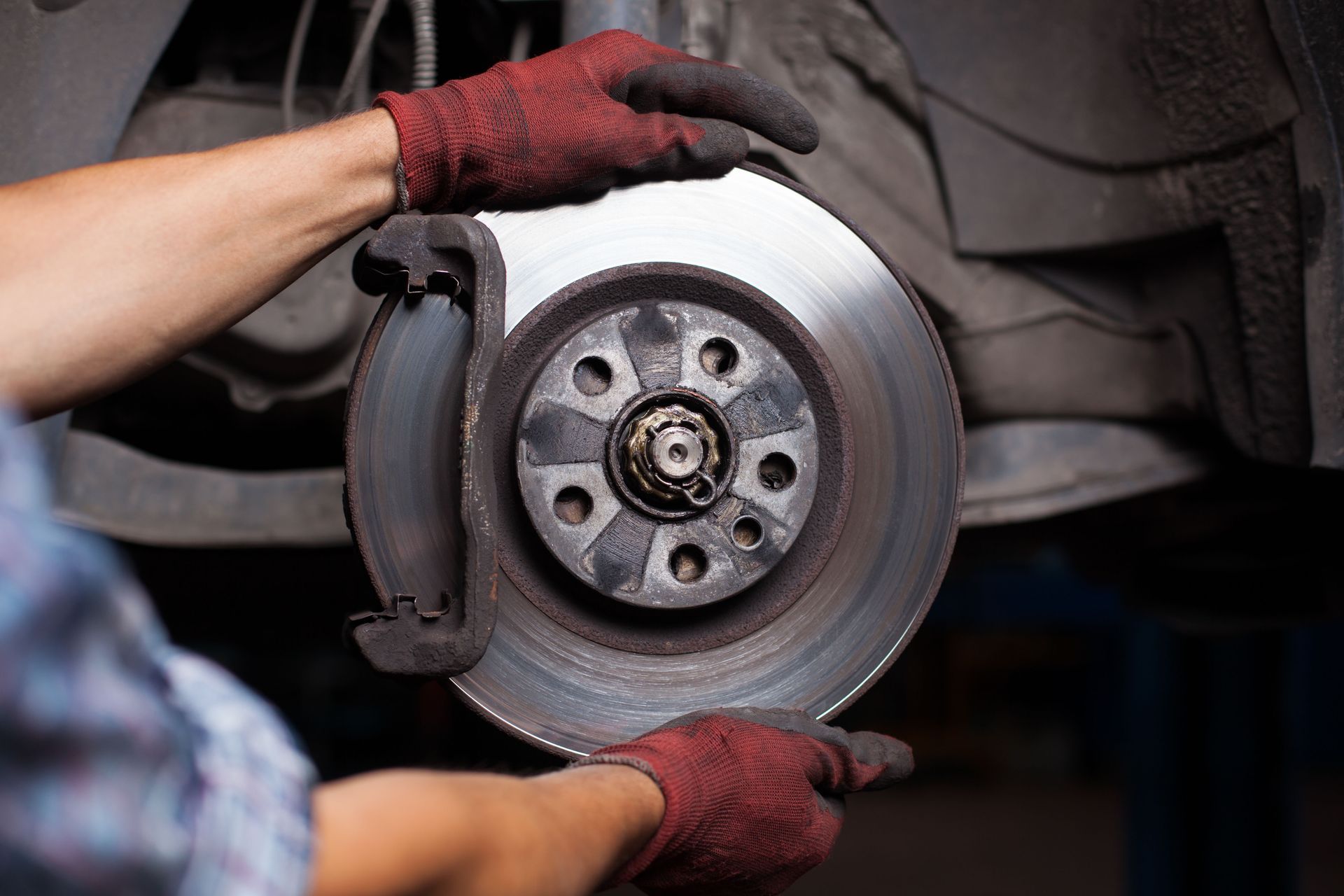
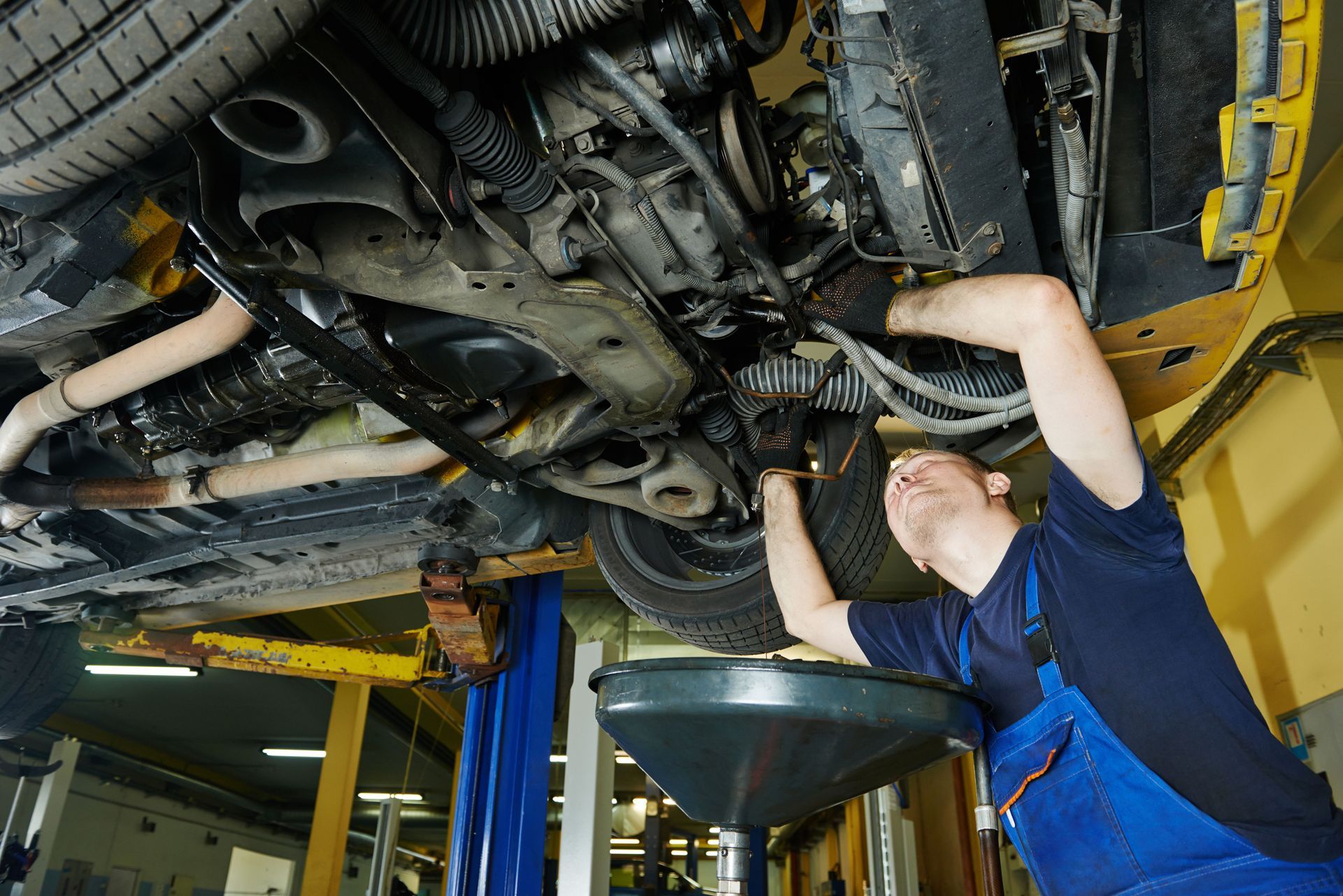
Ignoring brake warning signs can lead to serious accidents. The braking system is one of the most critical safety components of any vehicle. According to Progressive, you should replace brake pads or shoes every 30,000 to 35,000 miles for cars operating primarily in urban settings. Neglecting these replacements can lead to brake failure, increasing the risk of accidents. Regular inspections and timely auto repairs can ensure your brakes function properly, protecting you and other road users.
Faulty Tire Performance
Delayed maintenance could result in blowouts or reduced traction. Tires that are worn or under-inflated can be hazardous, especially in adverse weather conditions. Regular tire checks and rotations can help maintain even wear and reduce the risk of sudden tire failures. Keeping your tires in good condition is essential to ensure safe driving and optimal performance of your vehicle. Promptly addressing any tire issues is crucial for the safety of everyone on the road.
Steering and Suspension Issues
Compromised vehicle control can endanger you and others. Delaying auto repairs in the steering and suspension systems can lead to decreased control over the vehicle. This loss of control can be particularly dangerous during emergency maneuvers or in hazardous driving conditions. By addressing these problems early, drivers can maintain optimal handling and stability, ensuring their safety and that of others. These systems are integral to safe driving and should never be overlooked.
3. Decreased Vehicle Performance
Reduced Fuel Efficiency
Untended issues can cause your vehicle to consume more fuel than necessary. Problems such as a malfunctioning fuel injector or a clogged air filter can lead to inefficient fuel use. As a result, your vehicle might require more fuel to operate, increasing your costs at the pump. Regular maintenance can optimize your vehicle's fuel efficiency, saving money and reducing environmental impact. Addressing these issues improves both performance and savings in the long run.
Acceleration and Power Loss
Performance may degrade, affecting driving experience and safety. Issues like faulty spark plugs or clogged fuel lines can lead to decreased engine performance. This reduced power can make it harder to navigate traffic or merge onto highways, increasing the risk of accidents. Maintaining your vehicle's engine components can ensure it always operates at its best. Enhancing vehicle performance translates to a smoother and safer driving experience.
Transmission Troubles
Ignoring transmission issues can lead to power transfer failures. The transmission is integral to distributing power from the engine to the wheels. If it isn't functioning properly, your vehicle may experience difficulty in changing gears, resulting in jerky or delayed responses. Timely auto repairs prevent these issues, ensuring smooth and efficient power delivery. Addressing transmission problems before they worsen is key to maintaining drivability.
4. Diminished Vehicle Lifespan
Poor Maintenance Records
Continuously deferred auto repairs create an unattractive historical profile. Having a maintenance record filled with late or missed repairs can lower the resale value of your vehicle. Potential buyers or dealers see this as a sign that the vehicle may have unresolved issues or hidden costs. Keeping a meticulous maintenance record demonstrates a well-cared-for vehicle, boosting its market value. This history can enhance your vehicle's appeal in the market.
Rust and Corrosion Problems
Unaddressed bodywork concerns can lead to significant structural damage. Rust can wear down crucial structural components, weakening the frame and body of the vehicle. Dealing with minor rust spots early can prevent them from becoming major repair issues. Regular washing and applying rust-resistant treatments can stave off its development. Maintaining your vehicle's exterior is as crucial as its mechanical components for longevity.
5. Emission Non-Compliance
Exceeding Pollution Standards
Delaying auto repairs can result in emissions that go beyond legal limits. Many regions have strict emission standards that vehicles must meet to be roadworthy. Postponing necessary repairs, especially those related to the exhaust system, can mean your vehicle releases harmful pollutants. Regular maintenance ensures compliance and avoids penalties. Moreover, a well-maintained exhaust system supports broader environmental goals.
Frequent Emission Test Failures
Neglected repairs often lead to repeated failures of emissions testing. Failing these tests can result in costly fines and required repairs before your vehicle can be legally driven. Addressing and repairing functional issues promptly ensures that your vehicle passes these tests. This proactive approach not only assures legal compliance but prevents unexpected expenses. Staying ahead of potential emissions issues benefits both your wallet and the environment.
6. Personal Inconvenience and Stress
Increased Breakdowns
Deferment significantly heightens the risk of breakdowns in inconvenient locations. A small issue that could have been easily fixed can turn into a major problem if neglected, leading to breakdowns on the road. These unexpected failures can leave you stranded, disrupting your day and causing stress. By keeping up with auto repairs, you minimize the likelihood of these inconvenient interruptions. A reliable vehicle reduces worry and enhances peace of mind while traveling.
Dependence on Public Transport
Frequent auto repairs mean increased reliance on potentially unreliable transit options. If your car isn't available due to ongoing issues, you may need to rely more on public transport, which may not always align with your schedule. The inconvenience of public transit can compound stress, especially if it's unreliable or doesn't reach your destinations. Keeping your vehicle in good repair provides independence and flexibility in travel. A reliable personal vehicle supports your lifestyle and freedom.
Regular maintenance and prompt attention to required vehicle repairs can safeguard not just your wallet and vehicle longevity, but also ensure the safety and convenience of your journeys. Proactive care is the best way to avoid the cascading consequences outlined above. Maintaining a vehicle is about responsibility and foresight, ensuring it runs efficiently and safely. The benefits of regular maintenance far outweigh the consequences of neglect. By being diligent with your vehicle care, you invest in the safety and reliability of your transportation. If you need auto repairs, contact Diego's Mechanics today.
Share On: